


- Szczegóły


The project is funded by the Norway Grants Financial Mechanism 2014-2021 (https://eeagrants.org/) through the Polish National Science Centre (https://www.ncn.gov.pl/?language=en)-POLS Call (2020/37/K/HS3/04097).
- Szczegóły
 Instytut Kultur Śródziemnomorskich i Orientalnych PAN
ma zaszczyt zaprosić na konferencję
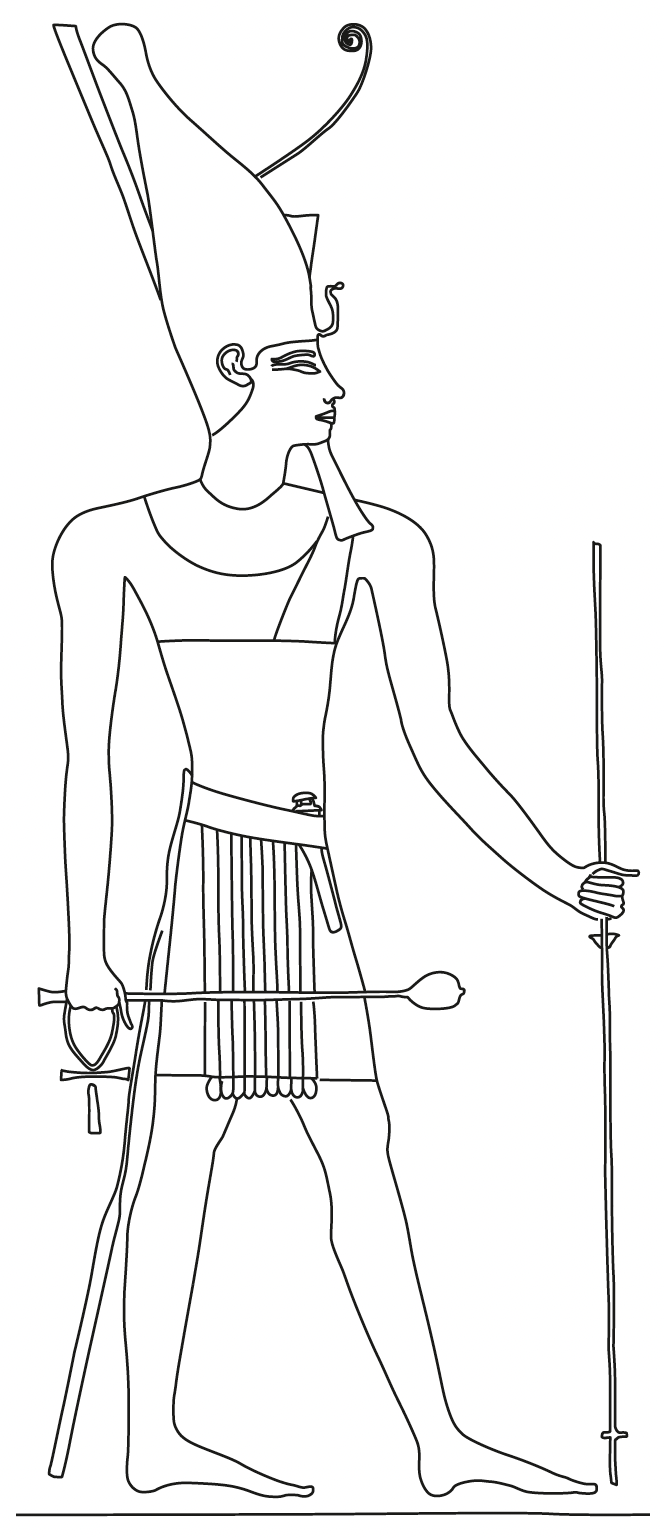
10. Symposium zur ägyptischen Königsideologie
10th Symposium on Egyptian royal ideology
"Rites, rituals and festivals as instruments of stability of the royal power"
Warszawa, 30 maja - 2 czerwca 2022
Tematem konferencji są "Obrzędy, rytuały i festiwale jako instrumenty stabilności władzy królewskiej". Rytuały i festiwale zawsze wywoływały żywe dyskusje wśród badaczy. Choć wiele na ten temat już powiedziano i napisano, mamy nadzieję spojrzeć na nie z nowej perspektywy badawczej. Chcielibyśmy również zastanowić się nad współczesnymi multidyscyplinarnymi i interdyscyplinarnymi podejściami do tego szeroko rozumianego tematu.
Zgromadzenie specjalistów w tej dziedzinie pozwoli nam skupić się na różnych cechach królewskości odzwierciedlonych w obrzędach, rytuałach i festiwalach odprawianych w starożytnym Egipcie. W konsekwencji chcemy ukazać różne uzupełniające się aspekty ideologii królewskiej.
Więcej informacji TUTAJ
- Szczegóły
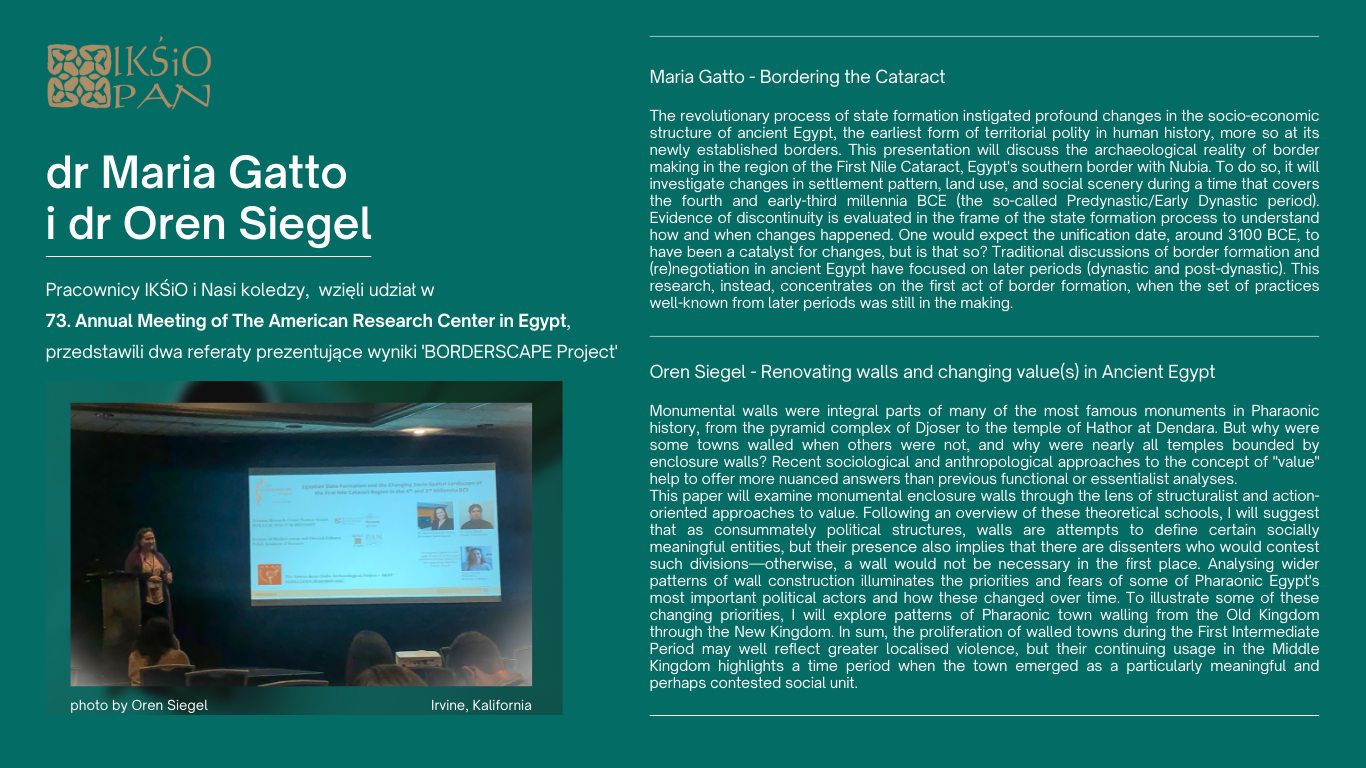
Projekt jest finansowany ze środków Mechanizmu Finansowego Funduszy Norweskich 2014-2021 (https://eeagrants.org/) za pośrednictwem Narodowego Centrum Nauki (https://www.ncn.gov.pl/?language=en)-POLS Call (2020/37/K/HS3/04097).
- Szczegóły

Abstrakt:
The region of the First Cataract of the River Nile has been a crossroads of people and ideas since deep prehistory. By the end of the fourth millennium BCE, it became the southern border with Nubia of the ancient Egyptian state, the earliest-known territorial polity in history. An exceptionally rich corpus of rock art marks the regional landscape, both along the Nile and in the desert hinterland. The earliest depictions date back to the Late Pleistocene, while the youngest is of the modern age. The artistic productions dated to the state formation period (fourth/early third millennia BCE) are particularly abundant and of great interest. Most rock art links to the mainstream ancient Egyptian culture; however, hints are detectable for productions associated with other groups and agencies. The talk will provide an overview of the current scholarship, drawing on the ongoing investigation by the Aswan-Kom Ombo Archaeological Project – AKAP. This joint venture between the University of Bologna and Yale University has been working in the region since 2005. With a supra-regional perspective, the talk will address some of the research questions AKAP aims to answer.
- Szczegóły

Redakcja czasopisma naukowego "Hemispheres. Studies on Cultures and Societies" zaprasza do nadsyłania artykułów do najnowszego numeru (37/2022).
Artykuły należy nadsyłać na adres do 15 października 2022 r.
Szczególnie zachęcamy do zgłaszania tekstów z zakresu współczesnych badań kulturowych i etnograficznych na wszystkich obszarach Bliskiego Wschodu, Afryki Północnej i Subsaharyjskiej.
Szczegóły naboru znajdziecie Państwo w pliku dostępnym tutaj oraz na stronie czasopisma. (http://hemispheres.iksiopan.pl/index.php/pl/)
- Szczegóły
Instytut Kultur Śródziemnomorskich i Orientalnych PAN
serdecznie zaprasza na:
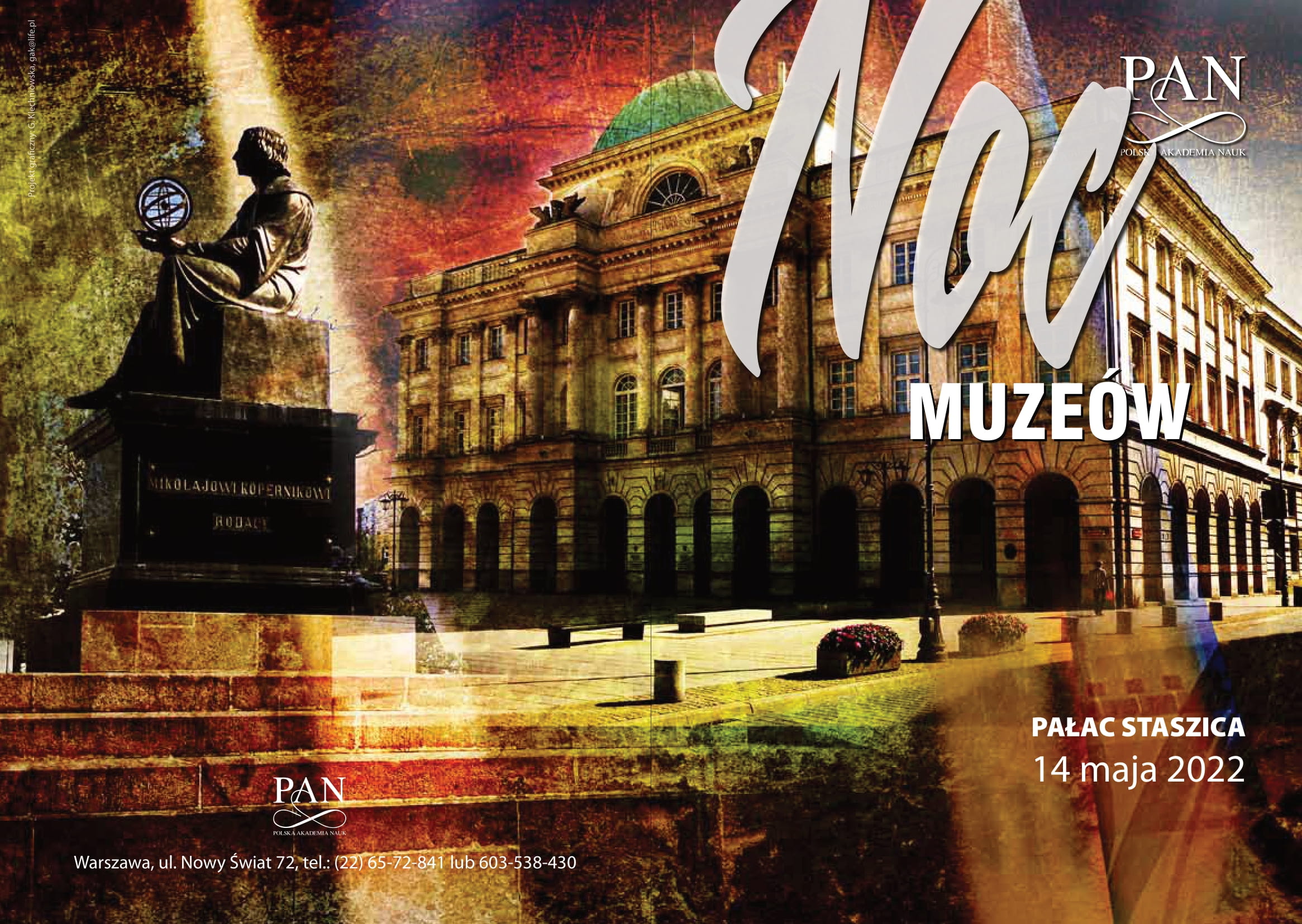

Noc Muzeów 2022 - harmonogram wydarzeń prowadzonych w Pałacu Staszica oraz zdalnie dostępny tutaj!
- Szczegóły
Instytut Kultur Śródziemnomorskich i Orientalnych PAN
serdecznie zaprasza na:
Projekt jest finansowany ze środków Mechanizmu Finansowego Funduszy Norweskich 2014-2021 (https://eeagrants.org/) za pośrednictwem Narodowego Centrum Nauki (https://www.ncn.gov.pl/?language=en)-POLS Call (2020/37/K/HS3/04097).
- Szczegóły
Abstrakt:
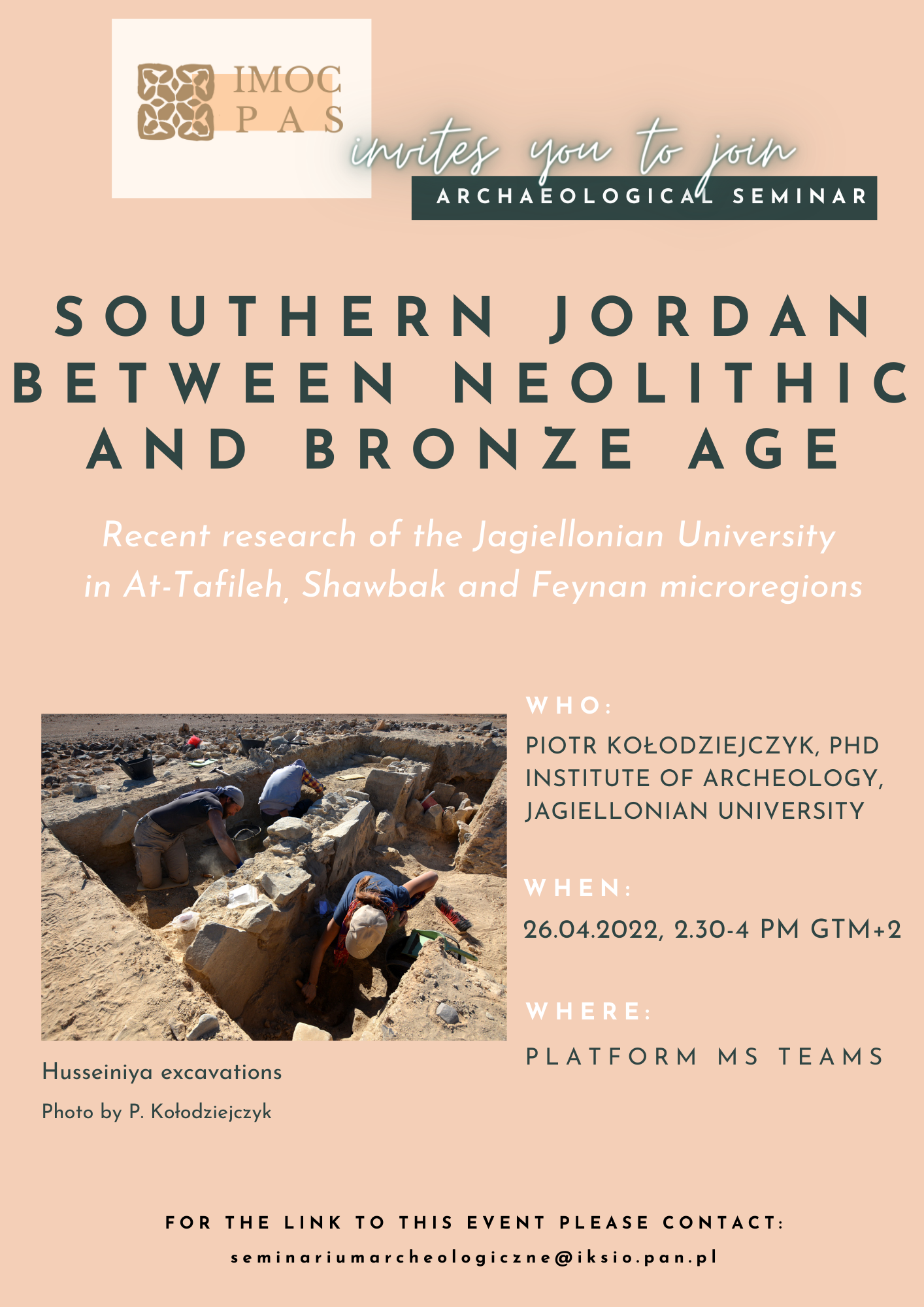
Southern Jordan between Neolithic and Bronze Age.
Recent research of the Jagiellonian University in At-Tafileh, Shawbak and Feynan microregions.
During his lecture, Dr Piotr, Kołodziejczyk, Jagiellonian University, Cracow will present the results of research led since 2017 by the Jagiellonian University team in southern Jordan, with special attention to the excavations conducted between 2019 and 2021.
The Polish team carried out a series of test trenches at three sites located in selected microregions of At-Tafileh, Shawbak and Feynan which allowed new interesting observations about the human occupation of this territory during the Late Prehistory. Excavations at the sites of Umm Tuweyrat, Huseinya and Wadi Feynan 101 brought about a new picture of the everyday life of their inhabitants, elements of their spiritual culture but also a new assessment of interaction with the surrounding landscape.
At the dolmen field at Umm Tuweyrat, Shawbak, some observations were made regarding the site's extent, its dating and construction techniques for dolmen graves in this area. A significant and rare discovery of a preserved burial in one of the dolmens, currently under the detailed study, will hopefully allow confirming the dating of the group of dolmens at this site.
At the second site – Huseiniya, a remarkable fragment of a stone residential building was uncovered, initially dated at the turn of the Chalcolithic and Early Bronze Age. The building was a half-dugout, with a large hearth against one of the walls. A decorated bone weaving tool was found inside the building. Ongoing radiocarbon analysis of the charcoal samples is aimed at the verification of the structure's dating and, subsequently, its inclusion in the network of many others located in the multi-hectare complex.
The latest research conducted in 2021 in Wadi Feynan at the site WF101, which was identified already several decades ago by British archaeologists, allowed us to reconsider previous observations based on surface finds and establish new interpretations for the stone structures located here as residential buildings and farm structures.