


- Details
- Category: Islamic Archaeology Research Unit
- Hits: 181
EMPLOYEES: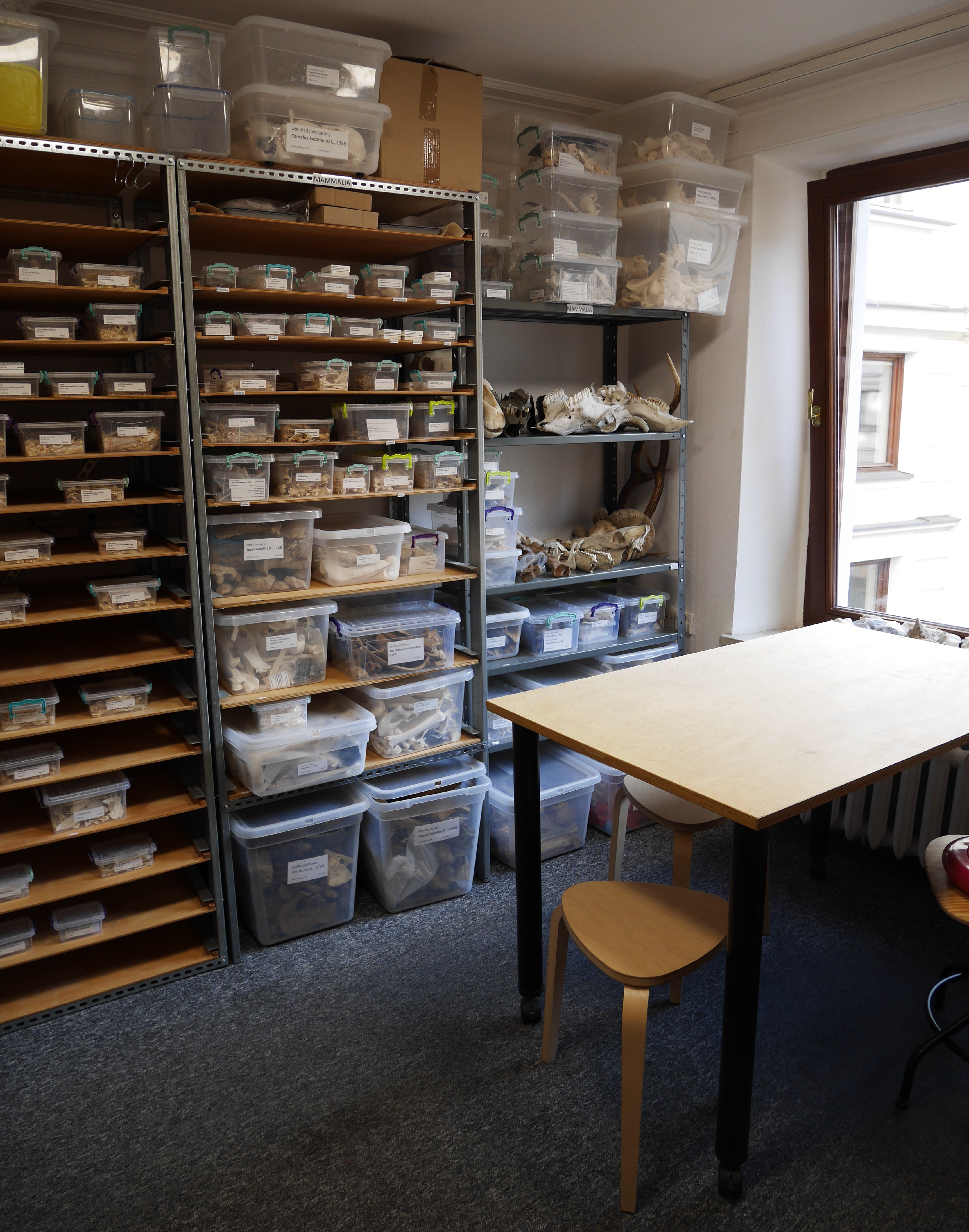
Urszula Iwaszczuk, PhD – collection keeper
Chiori Kitagawa, PhD
PhD STUDENT:
Zainab Albshir
Room: A38
email: (collection keeper)
BIOARCHAEOLOGICAL LABORATORY
The Bioarchaeological Laboratory is a young laboratory serving archaeozoologists (primarily archaeoichthyologists) for the analysis of animal remains from excavations. The laboratory was officially established in 2022, although it had been in development since 2020. It primarily collects fish skeletons from various parts of the world, as well as mollusc shells. Its growth is linked to the fieldwork of Urszula Iwaszczuk, curator of the collection, who prepares fish purchased at world fairs and obtains permits from local authorities to transport the specimens to Poland. The laboratory focuses on working with skeletal material from excavations in North Africa, the Arabian Peninsula, and Central Europe. The laboratory collaborates with archaeologists, archaeozoologists, and archaeobotanists on research projects.
COLLECTION
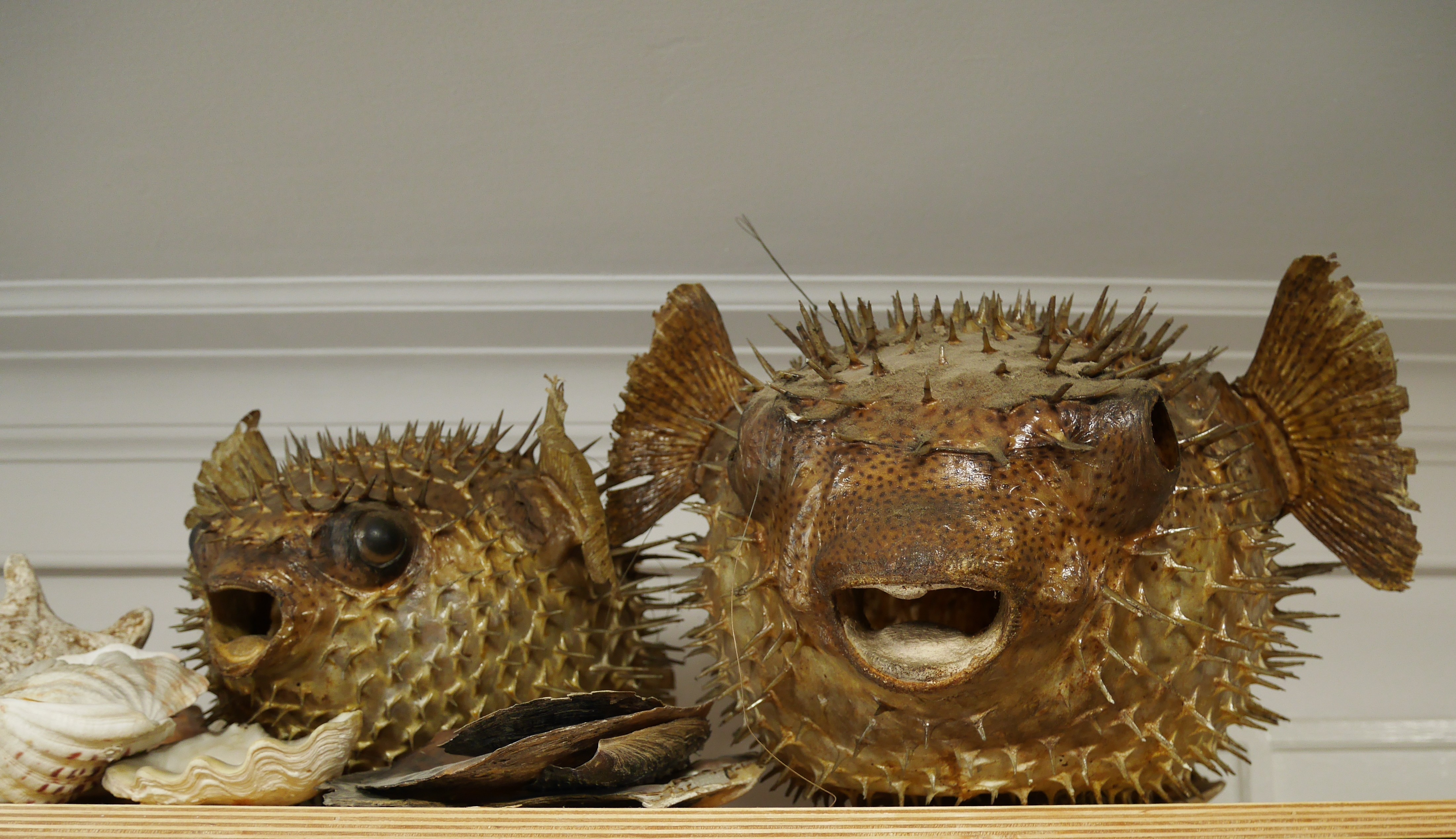
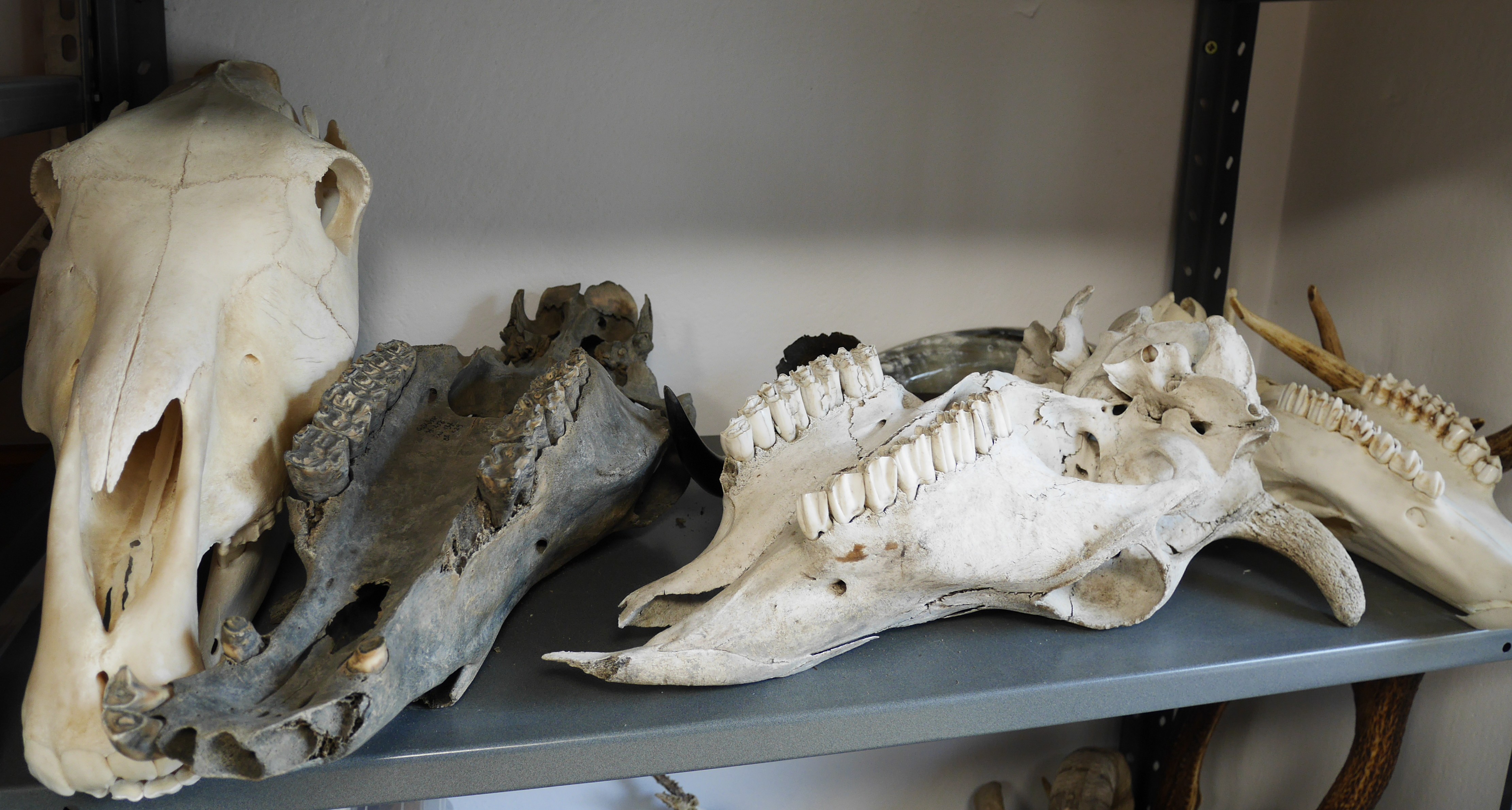
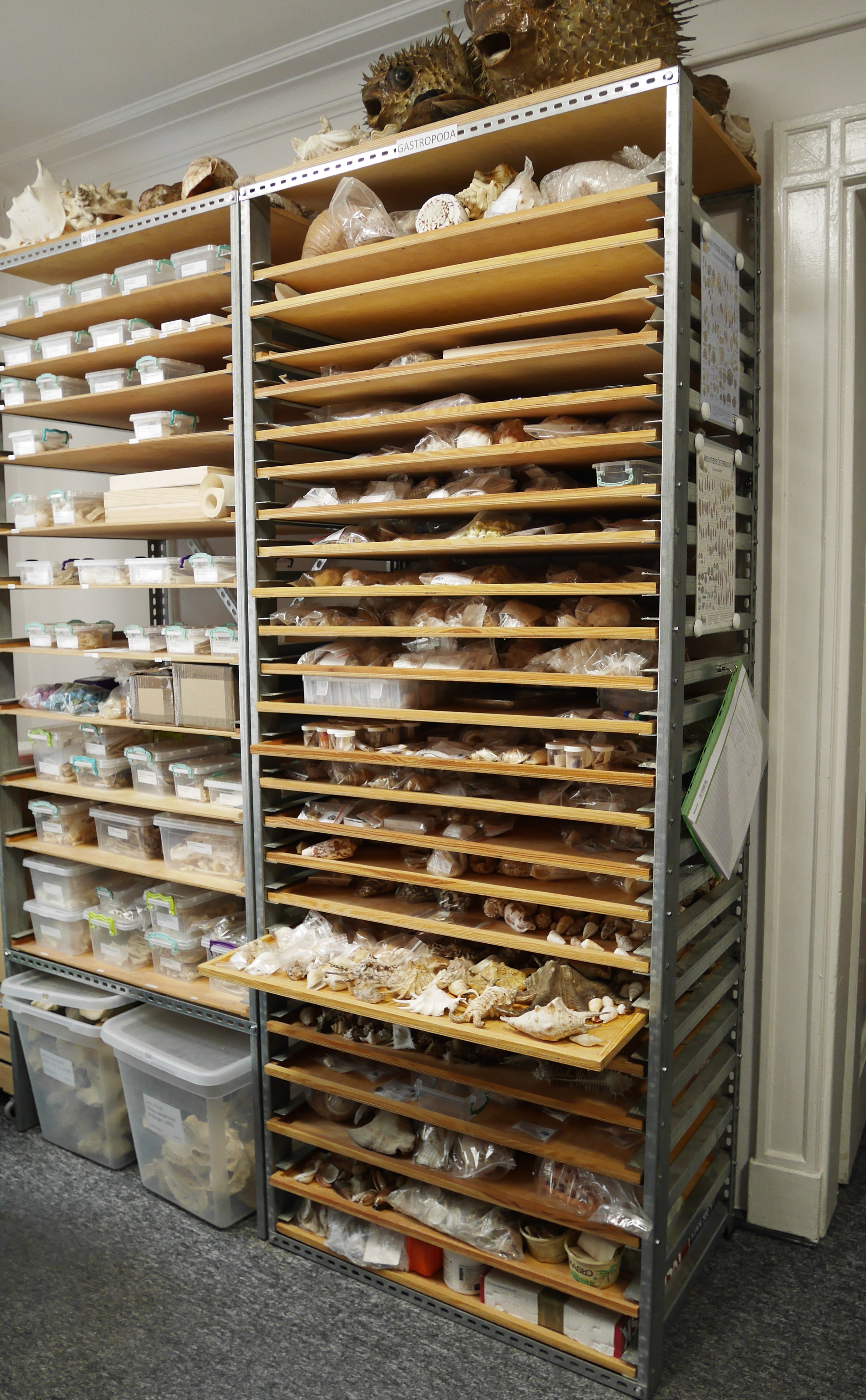
The collection consists primarily of fish skeletons (a shortened version of the CATALOGUE is available here) and mollusc shells (not fully catalogued). The laboratory also possesses fewer mammal and bird skeletons, which were collected in accordance with applicable law. We will be seeking permission to expand the collection to include species protected in Poland.
The fish skeletons are catalogued in the following COLLECTIONS:
• Indo-Pacific (including the Red Sea and Persian Gulf) and the Mediterranean Sea (salt and brackish waters)
• Baltic and North Sea (salt and brackish waters)
• Europe (freshwater, brackish waters, and migratory fish)
• Nile (freshwater and brackish waters)
• Other regions (salt, brackish waters, and freshwater)
The mollusc shells come from the Indo-Pacific, Northeast Africa, and Europe. These include shells from both terrestrial and freshwater species.
Researchers from outside the Institute (including PhD students and students) can work with the collection after consulting with the collection manager regarding the scope of work and the duration of stay, and obtaining permission from the Institute's Director (the Laboratory REGULATIONS are available here).
CURRENT PROJECTS
Tracing routes leading to Jeddah, the port of Mecca. Organic remains from the first excavations at al-Balad, Jeddah (Kingdom of Saudi Arabia)
Principal investigator: Urszula Iwaszczuk, PhD
Project No.: 2022/47/D/HS3/03061
Founded by: National Science Centre, SONATA 18
Implementation: 2023 - 2026
Curating the sacred and sacralised. A comparative study on animal mummies from Asyut (Egypt) and museum collections in Berlin and Lyon
Principal investigator: Chiori Kitagawa, PhD
Project No.: 2024/55/D/HS3/02683
Founded by: National Science Centre, SONATA 20
Implementation: 2025-2028